What Is Considered High Mileage for a Used Car in St. Charles?
Table of Contents
- The Modern Mileage Benchmark
- Why Maintenance History Matters More Than the Odometer
- Highway Miles vs. City Miles in St. Charles County
- High-Reliability Brands and Models to Consider
- What to Inspect on a High-Mileage Used Car
- Benefits of Buying a Higher-Mileage Vehicle
- Maintaining a High-Mileage Car for the Long Haul
- Frequently Asked Questions About Used Car Mileage
- Is 100,000 miles too high for a used car?
- How many miles per year is considered normal?
- Is it better to buy an older car with low mileage or a newer car with high mileage?
- How can I secure auto financing for a used car in St. Charles?

When shopping for a pre-owned vehicle, mileage is often one of the first numbers buyers look at on the window sticker. For years, the general rule of thumb was that any vehicle crossing the 100,000-mile mark was approaching the end of its useful life. However, modern automotive engineering and manufacturing standards have shifted that benchmark dramatically.
Today, understanding what is considered high mileage for a used car involves looking beyond the odometer. Factors such as vehicle age, service history, driving conditions around St. Charles and the greater St. Louis area, and overall condition play massive roles in determining a car’s actual longevity.
The Modern Mileage Benchmark
In past decades, reaching 100,000 miles meant a vehicle was living on borrowed time. Modern engines, synthetic lubricants, and advanced transmission designs have extended vehicle lifespans significantly.
- Under 60,000 Miles: Typically considered low mileage for most pre-owned vehicles. These models often retain substantial factory life and show minimal mechanical wear.
- 60,000 to 100,000 Miles: Considered moderate or average mileage. Vehicles in this range often offer an ideal balance between price and remaining lifespan, making them popular choices for budget-conscious buyers.
- Over 100,000 to 120,000 Miles: Today, 100,000 to 120,000 miles is generally where the high-mileage threshold begins. However, a well-maintained vehicle at this stage can easily reach 200,000 miles or more.
- 150,000+ Miles: Considered very high mileage. While these vehicles require careful inspection, they can represent exceptional value if backed by comprehensive maintenance records.
The average driver in Missouri logs approximately 12,000 to 15,000 miles per year. When evaluating a used vehicle, compare its age against total mileage to calculate the annual average. A six-year-old car with 75,000 miles falls right into the expected average range.
Why Maintenance History Matters More Than the Odometer
A low-mileage vehicle isn't automatically a safe bet, and a high-mileage vehicle isn't automatically a risk. A car with 120,000 highway miles that received regular oil changes, fluid flushes, and routine belt replacements is often a far better investment than a car with 50,000 miles that suffered from neglected maintenance and short, harsh stop-and-go trips.
When reviewing a pre-owned vehicle, consistent maintenance records indicate that critical components, such as the timing belt or chain, water pump, transmission fluid, and suspension systems, were cared for on schedule. At 5 Star Auto Plaza, our technicians perform thorough inspections on our pre-owned inventory to ensure each vehicle meets strict mechanical standards regardless of what the odometer reads.
When you browse our current inventory, you can review detailed vehicle information to buy with confidence.
Highway Miles vs. City Miles in St. Charles County
Driving conditions around St. Charles County play a significant role in how mileage impacts vehicle wear.
Highway driving, such as daily commutes along I-70, Route 364, or I-64, is relatively gentle on a vehicle. Cruising at consistent speeds in top gear causes far less stress on the engine, transmission, brakes, and suspension. A vehicle driven mostly on Missouri highways can accumulate 120,000 miles with minimal wear.
Conversely, city driving through heavy traffic in nearby St. Peters, O'Fallon, or Cottleville involves continuous stopping, starting, idling, and gear shifting. Stop-and-go driving accelerates wear on brake pads, rotors, transmission clutches, and engine components. Therefore, a city-driven car with 70,000 miles might exhibit wear similar to a highway-driven car with 110,000 miles.
High-Reliability Brands and Models to Consider
Certain automotive brands and model lines are renowned for handling higher mileage with ease. When shopping for high-mileage or budget-friendly pre-owned options, specific manufacturers consistently stand out for long-term durability:
- Chevy: Models like the Chevy Malibu, Equinox, and Silverado are built for long-term endurance and offer straightforward, affordable maintenance over time.
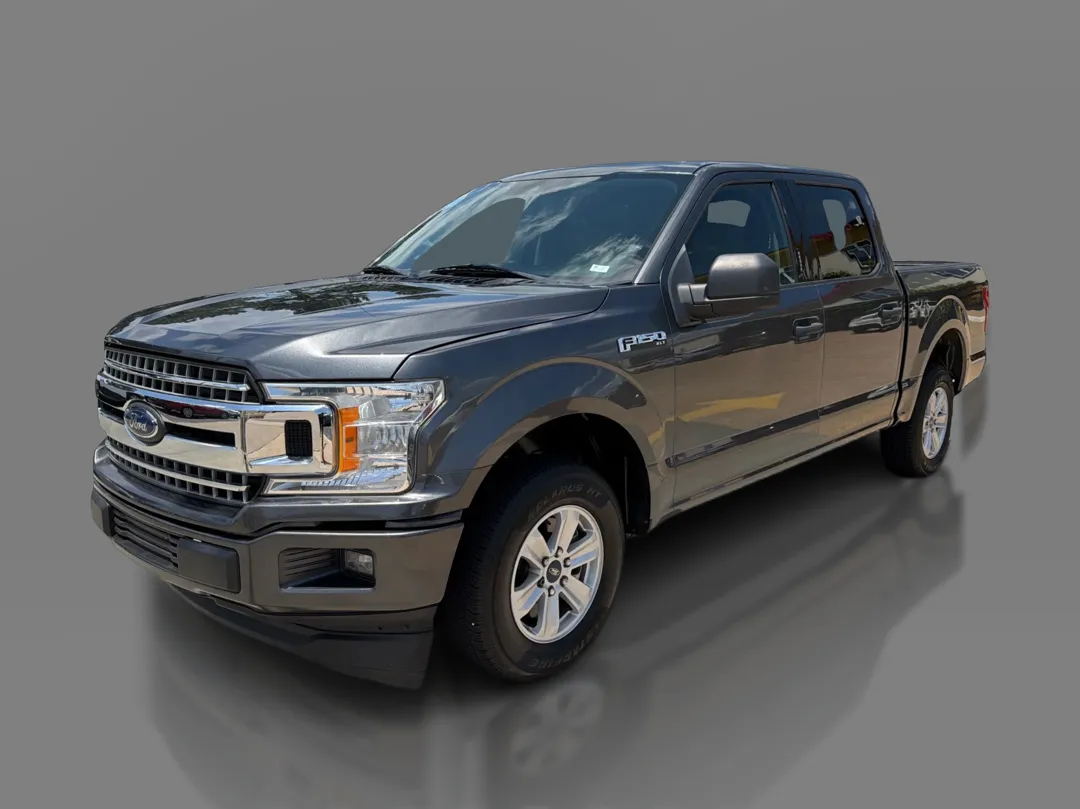
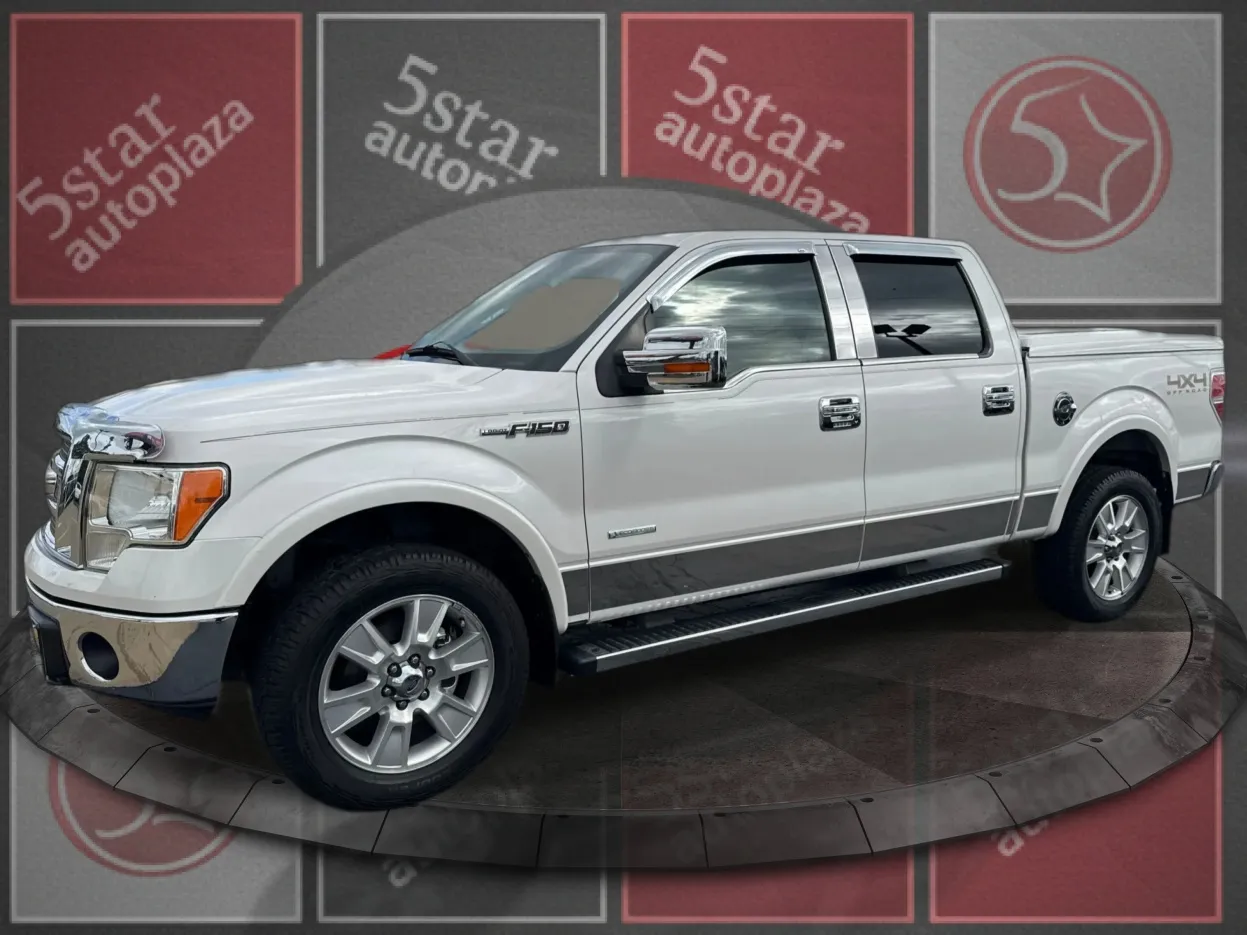
- Ford: Popular models like the Ford F-150, Explorer, and Escape feature robust powertrains capable of easily surpassing 150,000 miles with routine care.
- Toyota & Honda: Long recognized for exceptional powertrain engineering, sedans and SUVs from these brands routinely cross 200,000 miles.
- Nissan & Kia: Midsize sedans and crossovers from Nissan and Kia offer solid reliability, modern technology, and great value on the pre-owned market.
If you are looking for reliable transportation on a tighter budget, you can explore our financing options to find quality pre-owned vehicles that fit your monthly budget.
What to Inspect on a High-Mileage Used Car
If you are considering a used car with more than 100,000 miles, performing a methodical check ensures you avoid unexpected repairs down the road. Key areas to focus on include:
- Engine and Powertrain: Check for smooth idling, fluid leaks, oil cleanliness, and unusual engine noises during startup.
- Transmission: Test for seamless gear shifts without slipping, hesitating, or harsh clunking.
- Brakes and Suspension: Listen for squeaking or grinding when stopping, and note whether the car bounces excessively over bumps or pulls to one side.
- Tires: Inspect tread depth and check for uneven wear patterns, which can indicate alignment or suspension issues.
- HVAC and Electronics: Test the air conditioning, heater, power windows, lock switches, and infotainment screens to ensure all accessories function properly.
Bringing a trusted mechanic along or purchasing from a dealership that conducts rigorous multi-point inspections gives you peace of mind when buying higher-mileage vehicles.
Benefits of Buying a Higher-Mileage Vehicle
Choosing a pre-owned vehicle with higher mileage offers distinct financial advantages for drivers in the St. Charles area:
- Lower Purchase Price: Vehicles past the 100,000-mile mark experience their steepest depreciation curve early on, allowing you to get a higher trim level or larger vehicle for a significantly lower price.
- Reduced Insurance Costs: Auto insurance premiums are tied to the overall market value of the vehicle, meaning lower purchase prices translate into lower monthly insurance bills.
- Slower Ongoing Depreciation: Because the steepest value drop has already occurred, higher-mileage cars lose value at a much slower rate over time.
- Proven Longevity: If a vehicle has comfortably reached 110,000 miles with clean service records, it has already proven its mechanical reliability.
Maintaining a High-Mileage Car for the Long Haul
Keeping a high-mileage vehicle running smoothly requires commitment to routine vehicle maintenance. Simple preventative measures go a long way in protecting your investment:
- Follow Regular Oil Change Intervals: Use high-mileage synthetic oil formulations designed to protect internal seals, reduce friction, and prevent engine sludge.
- Monitor Fluid Levels: Regularly check transmission fluid, coolant, brake fluid, and power steering fluid.
- Address Warning Signs Immediately: Investigate dashboard light alerts, unusual noises, or changes in handling as soon as they arise to prevent minor issues from turning into major repairs.
- Keep Up with Scheduled Service: Replace spark plugs, air filters, cabin filters, and serpentine belts according to manufacturer guidelines.
To keep your vehicle running at peak performance, you can schedule your service appointment with our experienced technicians today.
Frequently Asked Questions About Used Car Mileage
Is 100,000 miles too high for a used car?
No, 100,000 miles is no longer considered the limit for a modern car. As long as the vehicle has a documented service history and passes a mechanical inspection, a car with 100,000 miles can offer many years of reliable transportation.
How many miles per year is considered normal?
The industry standard average is 12,000 to 15,000 miles per year. To determine if a car has high or low mileage for its age, multiply its age in years by 12,000 to 15,000.
Is it better to buy an older car with low mileage or a newer car with high mileage?
A newer car with higher highway mileage often features more advanced safety equipment, better fuel efficiency, and less rubber/seal degradation than an older vehicle that sat idle for long periods or endured severe stop-and-go city traffic.
How can I secure auto financing for a used car in St. Charles?
At 5 Star Auto Plaza, we work with buyers across all credit backgrounds to secure affordable financing terms. You can view available models in stock and start your pre-approval process online or directly at our St. Charles dealership.
Whether you are looking for a low-mileage commuter car or a budget-friendly high-mileage SUV, our team is here to help you find the right vehicle for your needs. Visit 5 Star Auto Plaza in St. Charles today or contact our team to get started!